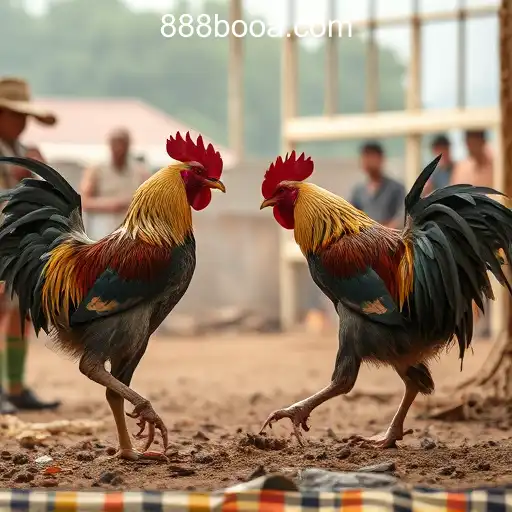
Cockfighting: An Ancient Tradition with a Modern Controversy
In the world of traditional animal competitions, few are as steeped in history and controversy as cockfighting. This age-old practice, where roosters are pitted against each other in a ring, has incited a variety of opinions, shedding light on cultural traditions, ethical debates, and legal battles. As more people gain awareness of these issues, the discussion around cockfighting becomes increasingly intricate, drawing interest from both advocates and opponents worldwide.
Cultural Significance Across the Globe
The practice of cockfighting often holds cultural significance, particularly in regions such as Southeast Asia, Latin America, and parts of the United States. For many, it is seen as more than just a sport; it is a cultural event entrenched in history. In countries such as the Philippines and Indonesia, where the tradition claims deep historical roots, cockfights are often accompanied by festivities and are considered a part of the cultural heritage. Similarly, parts of Central and South America celebrate cockfighting as a social and communal event where people come together to share in celebration and age-old rituals.
The Historical Context of Cockfighting
Cockfighting is believed to have originated thousands of years ago, with evidence of the activity found in ancient civilizations, including Greece, Rome, and Egypt. Over time, the practice spread across continents with explorers and settlers, embedding itself into local traditions. Despite its controversial nature, cockfighting remains a beloved practice in many communities worldwide, reflecting a shared history and cultural identity.
Legal and Ethical Considerations
While cockfighting is celebrated in some cultures, it faces significant legal and ethical challenges. In many parts of the world, particularly in the United States and Western Europe, cockfighting is illegal due to considerations surrounding animal welfare and ethical treatment. Critics argue that cockfighting is inherently cruel, involving training practices and fights that result in severe injuries or death for the animals involved.
The Legal Landscape
The legal status of cockfighting varies sharply between countries and even regions within countries. In nations where it is banned, enforcement and public opinion can differ widely. For example, in the United States, federal legislation prohibits the practice, categorizing it as a felony under the Animal Welfare Act. Despite this, enforcement is challenging, and illegal cockfighting rings continue to operate underground, facilitated by cultural sanctuaries that shield participants from legal repercussions.
Ethical Debates Around Cockfighting
The ethical debates surrounding cockfighting often bring passionate views from both proponents and opponents. Animal rights activists argue vehemently against the activity, categorizing it as brutal and inhumane. Conversely, supporters emphasize cultural preservation, autonomy, and the longstanding tradition that cockfighting encapsulates within their communities. These ongoing debates illustrate the complexity of balancing cultural customs with modern ethical standards.
The Influence of Online Platforms
The nature of cockfighting and its legal restrictions have driven a part of the activity into the digital realm, with certain platforms facilitating discussions and betting. However, this digital shift raises concerns about the perpetuation of illegal activities. Websites renowned for hosting and promoting illicit activities come under scrutiny, leading to conflicts with legislation.
The Emergence of Online Gambling in Traditional Sports
Despite the challenges faced by traditional cockfighting, online gambling platforms are utilizing the controversy to captivate new audiences. Websites focusing on online betting and games, such as 888boa.com Oficial Slots Brasil #1, integrate animal sports into their offerings, sometimes skirting legal restrictions by operating in jurisdictions where the practice is still legal. This evolution of the cockfighting landscape showcases the adaptability of traditional activities in the digital age.
The controversy surrounding cockfighting will likely persist, as cultural practices and ethical considerations crash into each other in public discourse. As societies continue to evolve, finding a balance between honoring cultural heritage and advancing ethical progress will remain a challenging journey, reflecting the broader tensions that arise as traditions intersect with modern values.